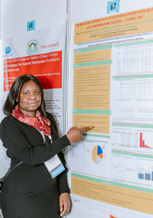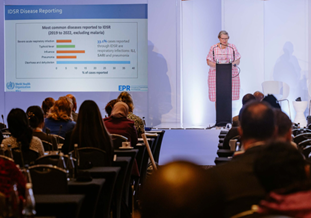

The ANISE Network

ANISE was founded in 2009 and currently has more than 260 members from more than 30 countries working on improving detection, case management, control, and prevention of influenza and other respiratory viruses in Africa. The network aims to highlight best practices and the latest research for prevention and control, as well as pandemic preparedness.The ANISE network is made up of public health specialists, clinicians, laboratorians, veterinarians, epidemiologists, academics, researchers and policy-makers working together to strengthen the capacity for surveillance and research related to influenza and other respiratory viruses on the African continent in order to improve the prevention, detection, case management and control of respiratory viruses in Africa.
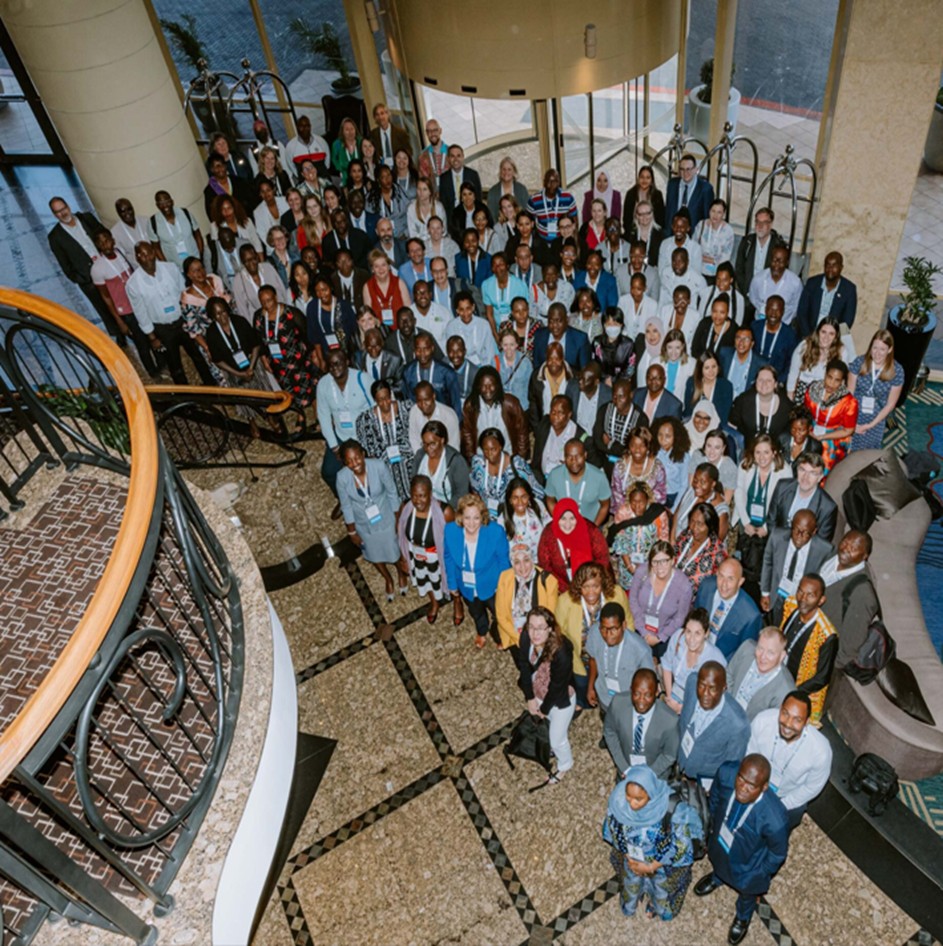
The importance of ANISE in Africa

This network is particularly important because while the impact of influenza and other respiratory viruses has been well studied in developed settings, these viruses may have a different impact in lesser resourced settings, like in Africa, due to untreated co-morbidities, malnutrition, and other factors.

Our Vision

A continent free from the burden of preventable respiratory diseases, transformed through innovation, research, and empowered communities.
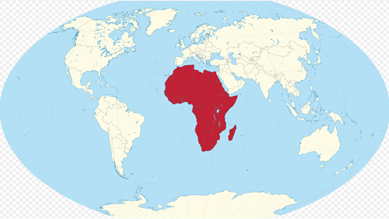
Our Mission

To strengthen the capacity for surveillance and research related to influenza and other respiratory viruses on the African continent in order to improve the prevention, detection, case management and control of influenza and other respiratory viruses in Africa and beyond.

Our Aims

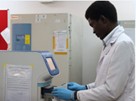
To build the capacity of the African countries to strengthen global health security in the area of respiratory viruses. To achieve this, ANISE creates a platform for information exchange and dissemination, as well as for interaction of scientists, public health specialists and policy-makers with an overall goal of promoting and improving public health.
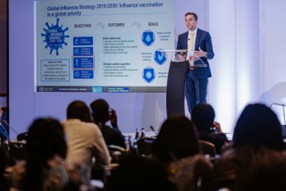
ANISE realizes it aims through;

  • Facilitating the exchange and dissemination of information regarding the epidemiology and virology of influenza and other respiratory viruses in Africa and the interaction of scientists, public health specialists and policy-makers
  • Promoting collaborative efforts including the use of standardized protocols for surveillance and research
  • Promoting the building of capacity to strengthen global health security in the area of respiratory viruses
  • Facilitating laboratory and epidemiologic support amongst members for the surveillance of seasonal influenza and for the detection of pandemic strains
  • Increasing the awareness of the importance of influenza and respiratory viruses in Africa through supporting the dissemination of surveillance and research findings.

Core programs and activities

Core past and future activities include:

  1. Supporting trainings, for instance training workshops on epidemiology or laboratory themes linked to meetings or free standing, building laboratory capacity of member countries
  2. Organizing for multi-country research papers
  3. Organizing regular webinars
  4. Holding scientific fora (ANISE meeting) to share findings from research and surveillance activities from member countries
  5. Disseminating information to members through newsletters to update on interesting scientific findings, big research coming up, fundings etc.,
  6. Coordinating roles of various public health organizations and entities in Africa.

ANISE Network impact

ANISE has promoted the use of standardized protocols for surveillance of respiratory illnesses with the vision to estimate flu-related disease and economic burden in the continent, generating evidence-based data to support public health interventions and relevant changes in policy.

Another important activity for the network is to facilitate capacity building through collaboration in epidemiology, laboratory, and surveillance efforts. This has been achieved through one-to-one exchanges between members of various participating countries and also through convening workshops on topics such as data management, scientific writing, molecular diagnostic methods, and disease burden estimation.

Collaboration among participating countries has led to important studies such as:

ANISE members can use the network to coordinate with one another and provide laboratory and epidemiologic support to other members.

ANISE Executive Committee

The executive committee directs, organizes and promotes ANISE activities. The committee is comprised of membership of which at least 50% reside in Africa and work in public health institutes. The executive committee is diversified in terms of countries represented, technical expertise, areas of interest (influenza, RSV vs other respiratory viruses), researchers vs public health workers and balance in terms of gender, primary language (French, Portuguese and English) and ethnicity.

Nancy A. Otieno

Executive Chair

Kenya

Aaron Samuels

Executive Secretary

South Africa

Jean-Michael Heraud

Committee Member

Madagascar

Magalutcheemee Ramuth

Committee Member

Mauritius

Ivy Asantewaa Asante

Committee Member

Ghana

Cheryl Cohen

Committee Member

South Africa

Richard Njouom

Committee Member

Cameroon

Ndahwouh Talla Nzussouo

Committee Member

Ghana

Daniel Owusu

Executive Committee Support

USA

Our Collaborators

The Task Force for Global Health

The Task Force for Global Health is a non-profit organization dedicated to improving health in developing countries through innovative programs and partnerships aimed at eliminating diseases and enhancing health systems.Over the years, ANISE has leveraged the expertise from The Task Force, as well as its collaborative model to bring together African scientists and public health professionals to solve viral respiratory disease challenges and emerging public health threats, including breaking barriers to vaccine access.

Centers for Disease Control and Prevention | CDC

US Centers for Disease Control and Prevention (US CDC) is the founding partner of ANISE. The US CDC has provided substantial technical and financial support to ANISE since its inception.

Gates Foundation

The Gates Foundation have offered travel grants to early to mid-career scientists and academicians to attend ANISE meetings.

ISRV

ISRV has partnered with ANISE to host a mini school of respiratory viruses in advance of the ANISE 2026 meeting, with plans to support a full school of respiratory viruses in Africa in 2027. ANISE appreciates this partnership towards building capacity for the next generation of respiratory disease scientists and public health professionals in Africa and other resource limited settings. 

International Vaccine Institute

Inqaba Biotec

Inqaba Biotechnical Industries (Pty) Ltd (trading as Inqaba Biotec across sub-Saharan Africa) is a South African genomics company established in 2002 and headquartered in Pretoria, with offices in Kenya, Senegal, Ghana, Nigeria, Tanzania, Uganda and Cameroon serving East, Central and West Africa. The company provides a broad range of in-house genomics and molecular biology services, including oligonucleotide and probe synthesis, Sanger and Next-Generation DNA Sequencing (NGS), SNP and methylation analysis, as well as bioinformatics support. Inqaba Biotec also delivers training through courses in phylogenetics and molecular techniques, supporting capacity development within the regional scientific community.

ANISE values its partnership with past and current collaborators and funders including;