Abstract submissions are closed
ANISE in collaboration with the Institut Pasteur de Dakar is delighted to hold the 8TH edition of ANISE meeting. ANISE meeting is a top scientific meeting in Africa for influenza, RSV and other respiratory viruses of public health importance. The meeting brings together more than 200 scientists, public health specialists, clinicians, academics and policy-makers to share findings from research and surveillance activities from member countries as part of its mission to relieve sickness and preserve health by promoting the prevention, detection, treatment and control of influenza and other respiratory virus diseases.
The meeting will be preceded by a mini-school of respiratory viruses for one day. The mini-school is planned to take place on September 23, 2026. The school will target early career scientists comprising of young principal investigators, doctoral students and postdocs mini-school for respiratory viruses for one day, prior to the ANISE 2026 meeting. The school is planned in advance of the main meeting to provide the attendees an opportunity to network and interact with senior scientists and academics who will be both faculty in the mini-school and speakers in the main meeting, therefore providing extended networking experience as ANISE nurtures the next generation of respiratory virus scientists, researchers and public health professionals in Africa.
The theme of the 2026 meeting is ‘Celebrating 20 years of influenza and other respiratory disease surveillance in Africa.’ The meeting will bring together African and other global experts and collaborators working on influenza, RSV and other respiratory pathogens to learn and share knowledge on current research and development. The meeting will facilitate the interaction of experts, while promoting international collaborative efforts against respiratory diseases with an overall goal of promoting and improving public health as well as promoting capacity building opportunities for early-career clinicians, scientists and other public health professionals. The meeting as well seeks to strengthen Africa’s preparedness and response systems to influenza and other respiratory pathogens through enhanced genomic surveillance and data integration.
Information about Dakar
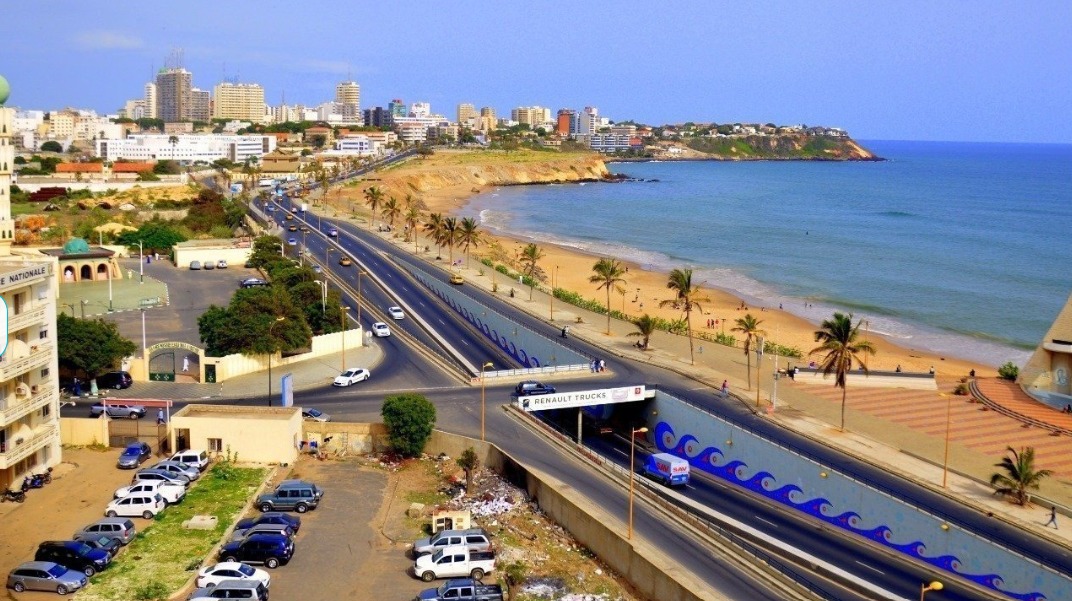
Dakar, the capital of Senegal, is a vibrant coastal metropolis blending African and European influences. It is the administrative, political, economic, and cultural hub of the country, with a population of over 2.5 million inhabitants. The surrounding Cap-Vert Peninsula and Gorée Island offer rich historical, cultural, and natural sites within close reach.
International guests
Senegal is visa-free for citizens of many countries, including ECOWAS member states and several others, for up to 90 days. Many other nationalities, including those from the US, UK, and EU, can obtain a visa online or on arrival, often at a cost of approximately 50 euros. Always confirm with your nearest Senegalese embassy or on the official e-visa website before traveling to ensure you have the most up-to-date entry requirements.
On arrival at border control, you will be asked for your residential address in Senegal and the telephone number of the hotel.
Weather
In late September, Dakar typically experiences warm temperatures and the end of the rainy season:
Average temperatures range between 24°C and 30°C
Humidity may be relatively high
Occasional rainfall is possible
Light clothing is recommended, along with a light jacket for evenings and indoor air-conditioned spaces.
Currency
The official currency in Dakar, Senegal, is the West African CFA franc (XOF). There are banks and ATMs available in Dakar where you can withdraw local currency. It's recommended to notify your bank of your travel plans to avoid any issues with using your credit or debit cards abroad.
Key sites:
Dakar is a cosmopolitan capital and dynamic city featuring markets, museums and religious landmarks.
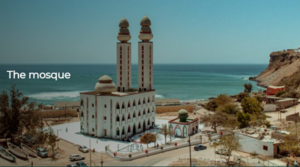
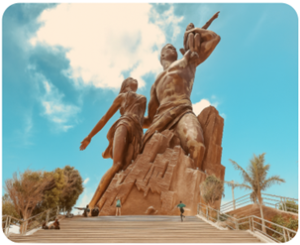
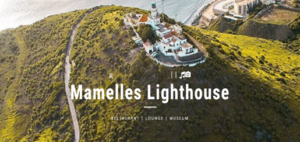
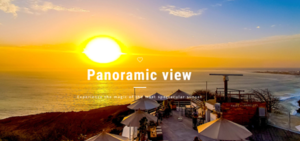
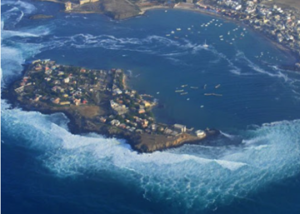
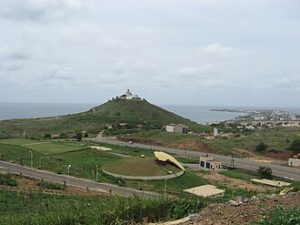
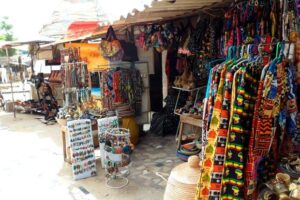
There are secluded beaches and islands off the coast and are reasonably safe. It is a surfer’s paradise, which many are not aware of. There are remote river deltas offering scenic landscape and teeming with wildlife.
Key tips:
• Visit markets early to avoid crowds and experience authentic local activity.
• Carry small cash denominations for purchases.
• Dress modestly for religious sites.
• Best sunset viewpoints: Les Mamelles and Pointe des Almadies.
Gorée Island (UNESCO World Heritage Site)
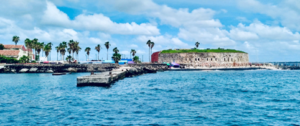
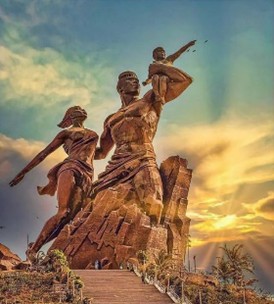
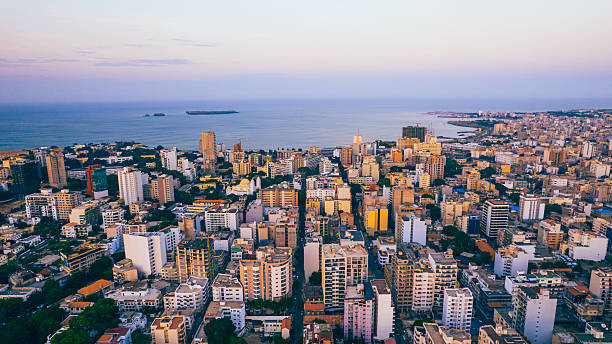
A small island (28 hectares) located 15 minutes by ferry from Dakar, Gorée is a place of memory and reflection, historically linked to the transatlantic slave trade.
Key sites:
• House of Slaves
• Historic streets (no cars on the island)
Key tip:
Take the early ferry to avoid peak crowds /Ferry departures are frequent
Useful information
If you have any questions or concerns before the workshop, please contact M. Quentin Lacour
by WhatsApp – (+221) 78 486 51 42
via e-mail – Quentin.LACOUR@pasteur.sn
During the event, our on-site team will be available to assist you with any queries.
International Code for Senegal: +221
National Gendarmerie: (+221) 800 00 20 20
Dakar Central Police Station: (+221) 33 842 33 41
Police: 17
Fire brigade: 18
SOS MEDECINS: (+221) 33 889 15 15
SAMU: (+221) 33 824 24 18